A beautiful gemstone is only as impressive as the way it is secured.
In jewelry manufacturing, stone setting is one of the most important processes that transforms a raw metal casting into a finished, wearable piece. A well-executed setting not only secures gemstones in place but also enhances brilliance, visibility, and overall design appeal.
Whether it is a solitaire engagement ring, a pavé diamond band, or a luxury pendant, the choice of stone setting directly influences durability, aesthetics, and manufacturing complexity.
This guide explains what stone setting is, the major categories, and the most widely used setting techniques in modern jewelry production.
What Is Jewelry Stone Setting?
Jewelry stone setting is the process of securely fixing gemstones onto a metal structure.
There are multiple ways to achieve this connection, including:
- Mechanical setting
- Adhesive bonding
- Wire-based techniques
- Specialized manufacturing methods
Among these, mechanical stone setting is the most widely used in fine jewelry due to its strength, reliability, and long-term durability.
Purpose of Stone Setting
Stone setting serves two key functions:
1. Secure the gemstone
The stone must remain firmly fixed during daily wear and resist impact or movement.
2. Enhance visual beauty
A properly designed setting allows maximum light entry, improving brilliance, fire, and color performance.
For this reason, stone setting is considered the point where engineering precision meets artistic craftsmanship.
Main Categories of Jewelry Stone Setting
Stone settings are generally classified in two main ways: by setting method and by stone arrangement.
1. Classification by Setting Method
This classification is based on how the gemstone is physically secured within the metal structure.
Prong Setting
Prong setting is one of the most common techniques in jewelry manufacturing. Small metal claws hold the gemstone by its girdle while keeping most of the stone exposed.
Advantages:
- Maximum light exposure
- Enhanced brilliance
- Ideal for center stones
Common Uses:
- Engagement rings
- Solitaire rings
- Diamond earrings
Bezel Setting
In bezel setting, a continuous metal rim surrounds the gemstone completely or partially.
Advantages:
- Strong protection
- High durability
- Modern aesthetic appeal
Common Uses:
- Men’s jewelry
- Everyday rings
- Colored gemstone designs
Channel Setting
Channel setting places gemstones between two parallel metal walls without individual prongs.
Advantages:
- Smooth, continuous surface
- High durability
- No exposed claws
Common Uses:
- Wedding bands
- Eternity rings
- Bracelets
Pave Setting
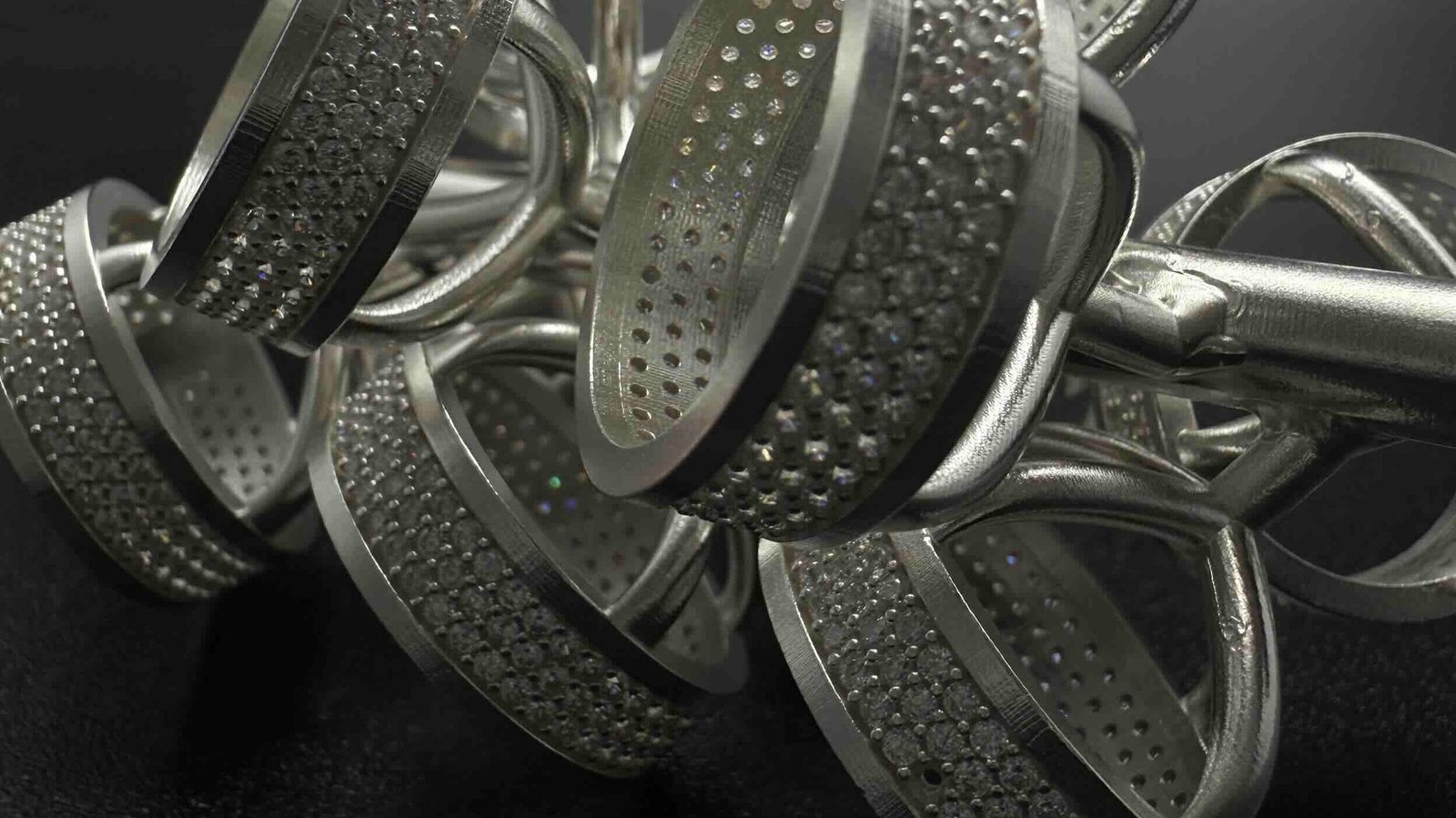
Pavé setting involves placing multiple small gemstones closely together, secured using tiny metal beads.
Advantages:
- Maximum sparkle effect
- Luxurious finish
- Continuous diamond surface
Common Uses:
- Luxury rings
- Fashion jewelry
- Bridal collections
Pavé is one of the most skill-sensitive techniques, as even minor misalignment can affect overall visual consistency.
Flush (Gypsy) Setting
In flush setting, the gemstone is embedded directly into the metal surface, with its top nearly level with the surrounding material.
Advantages:
- Extremely durable
- Sleek modern look
- Ideal for active wear
Common Uses:
- Men’s rings
- Signet rings
- Wedding bands
Micro Pave Setting
Micro pavé is an advanced variation of pavé setting that uses extremely small stones placed under magnification.
Advantages:
- Exceptional brilliance
- Ultra-premium finish
- Fine, detailed craftsmanship
This method requires extremely high precision and advanced manufacturing skills.
Invisible Setting
Invisible setting secures gemstones without visible metal support, creating a seamless surface appearance.
Advantages:
- Clean, uninterrupted look
- Maximum stone visibility
Challenges:
- Highly complex manufacturing process
- Higher production cost
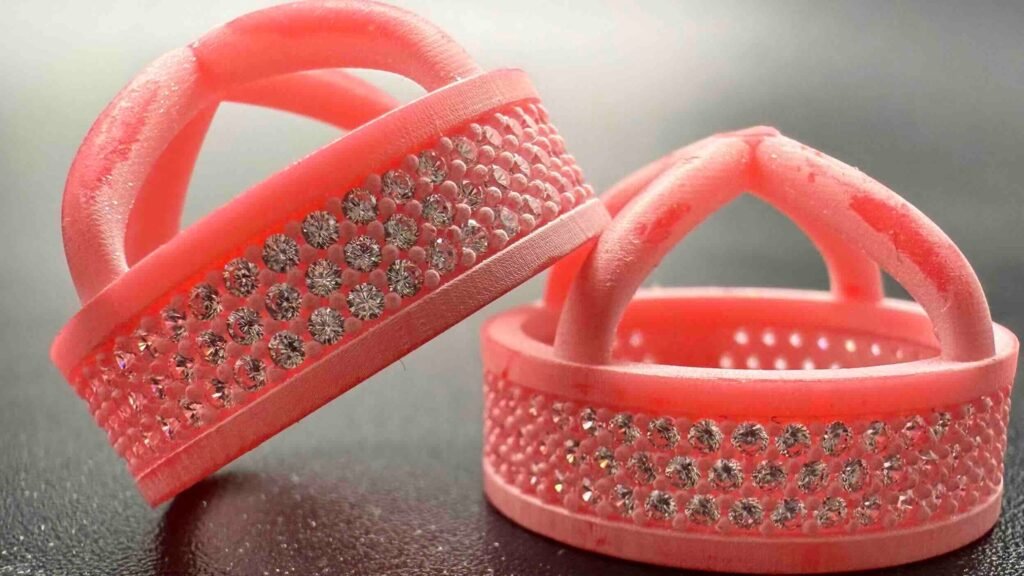
Wax Setting
Wax setting is a specialized technique used during casting production. In this method, gemstones are placed directly into the wax model before investment casting.
During casting, the wax burns away while molten metal forms around the stone seats.
Advantages:
- Reduced manual labor
- Faster production cycles
- Efficient for mass manufacturing
Wax setting is increasingly used in modern digital jewelry workflows, especially where wax models are produced using 3D printing and lost-wax casting techniques.
2. Classification by Stone Arrangement
Stone settings can also be grouped based on how gemstones are arranged within a design.
Solitaire Setting
A solitaire setting features a single gemstone as the focal point of the design.
Examples:
- Engagement rings
- Single-stone pendants
Precision is critical because the entire design depends on one central stone.
Multi-Stone Setting
Multi-stone settings use multiple gemstones arranged in a structured design.
Examples:
- Pavé settings
- Channel settings
- Halo designs
- Cluster arrangements
These designs enhance brilliance and often create the illusion of larger gemstones.
Why Stone Setting Matters in Jewelry Manufacturing
Stone setting is not just a decorative step—it is a precision-driven manufacturing process.
A high-quality setting must balance:
- Stone security
- Visual appeal
- Production efficiency
- Long-term durability
Poor-quality settings can lead to:
- Loose or lost stones
- Misalignment
- Reduced product lifespan
- Structural weakness
This is why skilled stone setters are essential in every professional jewelry manufacturing unit.
The Role of Wax Models in Modern Stone Setting
Modern jewelry production increasingly integrates digital design and manufacturing technologies.
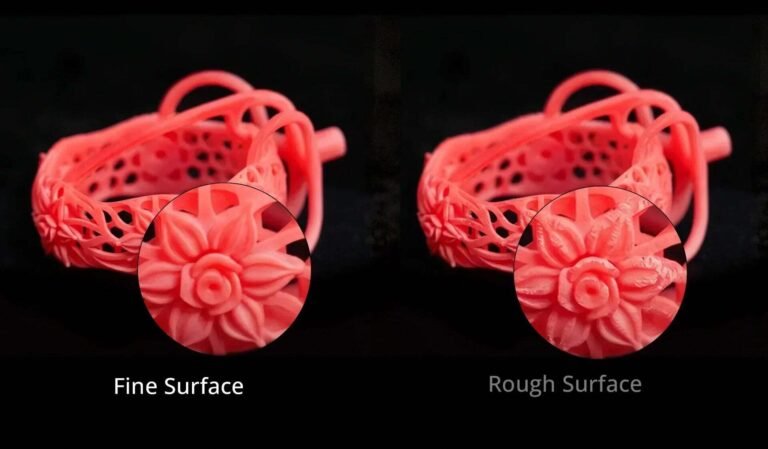
Today, many manufacturers use wax 3D printing to create precise jewelry patterns before casting.
Accurate wax models enable:
- Better stone seat accuracy
- Improved consistency in production
- Faster manufacturing cycles
- Reduced human error
In digital jewelry workflows, the quality of stone setting often begins long before the gemstone is placed—it starts with the precision of the wax model itself.
Conclusion
Jewelry stone setting is both an art and a technical discipline.
From traditional prong and bezel settings to advanced micro pavé and wax setting techniques, each method serves a specific purpose in jewelry design and manufacturing.
Understanding these techniques helps designers, manufacturers, and buyers appreciate the craftsmanship behind every piece—and highlights the growing importance of precision wax modeling, casting, and digital production in modern jewelry making.